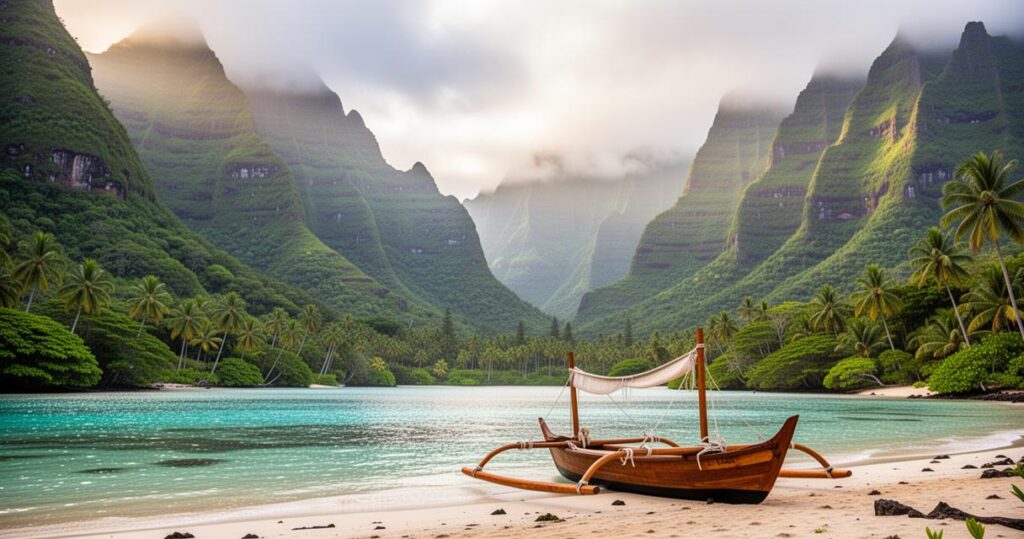
Tahitian names carry within them the warmth of the Pacific sun, the rhythm of ocean waves, and the deep spiritual heritage of Polynesia. Whether you are expecting a child and searching for something truly distinctive, or simply curious about the linguistic riches of French Polynesia, exploring Tahitian and broader Polynesian naming traditions is a genuinely rewarding journey. These names, steeped in culture polynésienne and shaped by centuries of oral storytelling, offer parents a meaningful alternative to more conventional choices.
Key points
- Tahitian names are deeply rooted in Polynesian culture, drawing inspiration from nature, ancient legends, and the spiritual heritage of the Pacific Islands.
- Many popular girl names, such as Mahina, Hanivai, and Vaiata, reflect themes of the moon, water, and tropical landscapes through melodic, vowel-rich sounds.
- Modern influences, particularly the name Vaiana, have popularized Tahitian names globally by combining traditional linguistic elements with contemporary feelings of adventure.
- Names for boys often emphasize strength and authority, utilizing references to the sea, sky, and legendary voyagers, such as Ariivai and Kaikoa.
- Polynesian naming traditions include gender-neutral options like Kawai and Wairoa, which reflect the cultural belief that natural elements are universal qualities.
- In Polynesian society, a name is considered a significant declaration of identity and a link to one’s ancestors, rather than just a simple label.
- The Tahitian language’s structure, characterized by open vowels and recurring themes like water (‘vai’), contributes to the enduring beauty and poetic weight of these names.
Discovering popular tahitian names for girls
The world of Tahitian prénoms féminins is extraordinarily evocative. Many draw directly from the natural world (the sky, the sea, the rain) whilst others echo ancient legends and the figures who populated them. For a bébé fille born into a family wishing to honour Polynesian roots or simply seeking something beautifully unusual, these names offer an inspiring range of possibilities. The langue tahitienne, closely related to other branches of the Polynesian family, lends even short names a melodic, open quality that sounds lovely in any language, including the langue française.
Classic choices rooted in polynesian culture
Among the most beloved classic names for girls, Mahina stands out as a timeless favourite, its meaning tied to the moon and the gentle light it casts over the islands at night. Equally cherished is Aata, a name that carries connotations of happiness, laughter, and a warm smile, qualities any parent might hope to see bloom in their child. Then there is Hanivai, a delicate and poetic choice signifiant «sweet water», evoking both purity and tenderness. These names have been passed down through generations precisely because they feel rooted in something real: the landscape, the emotions, and the culture polynésienne that shaped them.
The name Anavai, meaning «water in cave», speaks to the mysterious and sheltered places found throughout the islands of Tahiti and the wider archipelagos of Polynésie. Similarly, Vaiata (often translated as «rain» or «water of the clouds») captures the island experience of standing beneath a warm tropical shower. For a princesse who will grow up knowing herself to be a chérie and a choyée, such names carry an almost poetic weight.
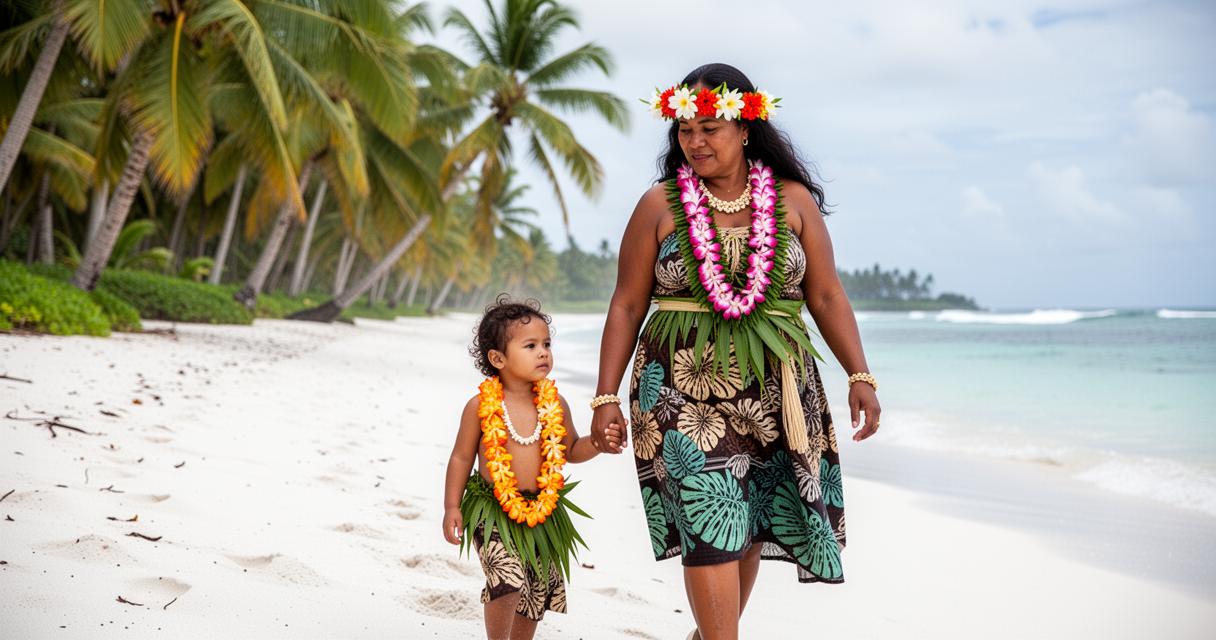
Modern Favourites Inspired by Ocean and Nature
In recent years, the name Vaiana has gained remarkable recognition far beyond the shores of Tahiti, largely thanks to the influence of popular storytelling and animated film. The name resonates because it combines the familiar Polynesian element vai, meaning water, with a sense of adventure and independence that feels entirely contemporary. Moevai, another water-inspired choice, translates beautifully as «dreaming the water», making it an ideal name for a child whose parents imagine her growing up with a deep connection to the sea and to imagination alike.
Beyond the water theme, names such as Hinewai (the «water maiden») and Aukena, evoking «white water flowing», continue to attract parents who appreciate nature-inspired names with genuine Tahitian and Polynesian origine. These are not merely joli sounds; they are windows into a worldview in which the natural elements are not simply backdrop but active participants in human life and identity.
Traditional and Contemporary Names for Boys
Tahitian and Polynesian names for boys tend to project strength, movement, and a close relationship with the forces of nature. The prénom masculin tradition in these islands is rich with references to the sea, the sky, and the heroic figures of local mythology. Whether parents are drawn to something bold and assertive or prefer a name with a quieter, more reflective quality, the Polynesian repertoire for boys has much to offer.
Strong Names Symbolising Elements of Sea and Sky
Few names for boys feel as commanding as Ariivai, which carries the meaning of «king of the water» or «king of the sea». It is a name that speaks of authority and belonging, perfectly suited to an enfant born into a family with deep ties to the ocean. Kaikoa, meaning «sea warrior», is equally striking, conjuring images of ancient voyagers navigating vast distances by starlight alone, a tradition that remains a source of immense pride across Polynésie.
The element of the sky, or ciel, also plays a significant role in naming traditions. Names referencing light, thunder, and celestial bodies appear throughout the Polynesian world, from Tahitian to Tongan to Hawaiian. Ahomana, for instance, is associated with the notion of «thunder» and «powerful light», reflecting the awe that dramatic Pacific storms have inspired for generations. Kaaipuna, meaning «spring water», offers a gentler alternative, a name suggesting renewal and a life-giving force rather than power through confrontation.
Unisex options with deep meaning
One of the most appealing aspects of Tahitian and broader Polynesian naming culture is the existence of genuinely mixte names, those that work equally well for a boy or a girl and are accepted as such within the community. Kawai, simply meaning «the water», is one such example, used across genders without losing any of its resonance. Wairoa, translated as «vast water», similarly transcends gender boundaries, evoking the endless expanse of the Pacific itself.
Aunoa, meaning «free water flowing», is another beautifully mixte option, a name that speaks of liberty and movement, values that feel universally meaningful. These gender-neutral names reflect an important aspect of Polynesian worldviews: that certain qualities, particularly those drawn from nature, belong to everyone equally, regardless of the féminin or masculin distinction.
The rich cultural significance behind tahitian naming customs
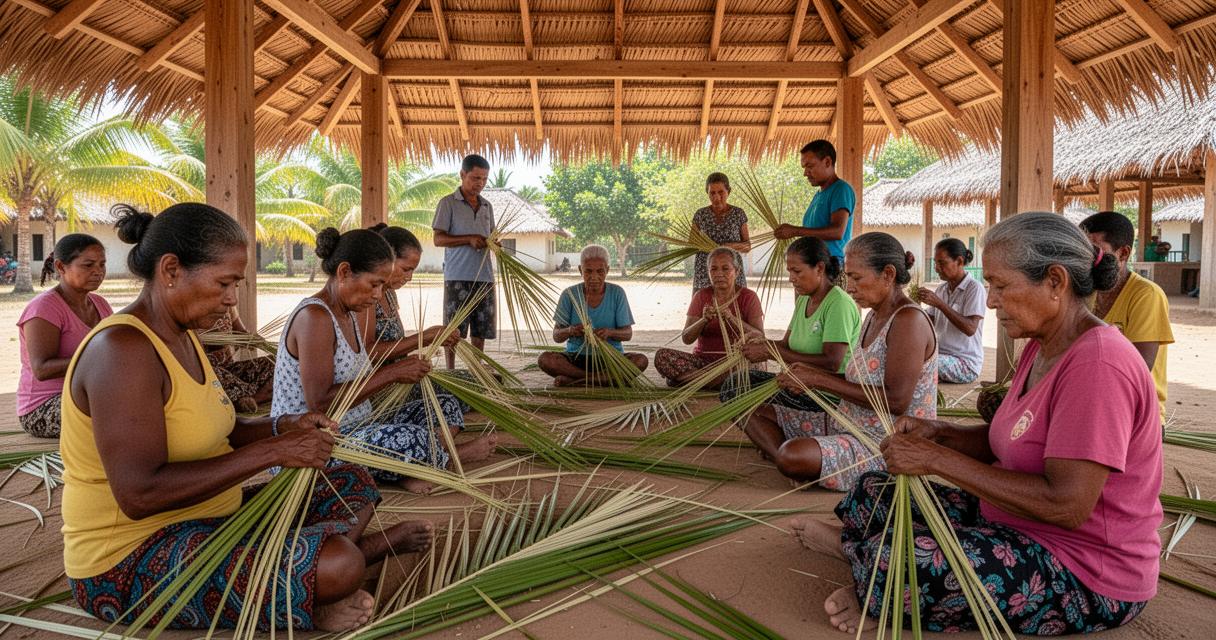
To truly understand the appeal of Tahitian names, one must look beyond their literal translations and consider the cultural framework within which they exist. In Polynesian societies, a name has never been merely a label. It is a declaration of identity, a link to ancestors, and sometimes a form of blessing. Choosing a name for a child is understood as one of the most significant decisions a family can make, and the process is treated with corresponding seriousness and care.
How stories and legends influence naming choice
The légendes and myths of Polynesia are extraordinarily rich, populated by gods, demi-gods, and heroic mortals who shaped the natural world. Names drawn from these traditions carry narrative power: to give a child such a name is to invite the qualities of that figure into the child’s life. Pania, for example, is associated in Māori tradition with a goddess of the reef, a figure who embodies the boundary between land and sea. Whether or not a family follows these beliefs literally, the weight of such stories gives the names a depth that purely invented modern names often lack.
From the bout of one island chain to another, across what we might call the far bout du monde of the Pacific, these naming traditions share a common thread: reverence for the natural world and the stories that explain it. The name Anatoia, meaning «ocean flower» in Tahitian, is a perfect illustration of how mythology and nature intertwine in Polynesian culture, producing names that feel both grounded and transcendent.
Understanding the Beautiful Expressions within the Language
The Tahitian language itself contributes enormously to the beauty of these names. Its structure favours open vowels and flowing consonants, creating words that feel pleasant on the tongue and easy on the ear. The element vai appears in numerous names (Anavai, Hanivai, Moevai, Vaiata) precisely because eau, or water, is so central to island life and identity. Similarly, the element hina recurs in names associated with the moon and femininity, reflecting a cosmology in which celestial bodies play an active role in human affairs.
For families wishing to give their child a name that is both joli and meaningful, exploring the Tahitian and wider Polynesian repertoire is a genuinely enriching exercise. These are not names chosen for novelty alone; they are names that carry the weight of a civilisation, the music of a language, and the beauty of one of the most remarkable natural environments on Earth. In choosing such a name, parents give their child not just an identity but a connection to something vast and enduring, the living heritage of Polynésie.