
Shipping perishable food safely and responsibly has become one of the most pressing challenges in modern logistics. As consumer awareness of environmental issues grows, businesses and individuals alike are rethinking the materials they use to transport fresh goods. Choosing environmentally friendly materials is no longer simply a matter of ethics, it is increasingly a practical and commercial necessity.
In brief
- Cardboard and corrugated board are sustainable, recyclable, and renewable options that provide excellent structural protection for fresh produce.
- Transitioning from heavy wooden pallets to lightweight alternatives made from recycled or natural fibers reduces shipping costs and lowers carbon emissions.
- Innovative biodegradable materials, such as mushroom-based packaging or wool-based insulation, are replacing environmentally harmful polystyrene for thermal protection.
- Biodegradable gel packs offer a more sustainable way to maintain necessary temperatures for chilled goods compared to traditional plastic-based cooling products.
- Compostable packaging like bioplastics and Kraft paper provides effective solutions for protecting perishables while ensuring no harmful residues remain after disposal.
- Reusable containers support the circular economy by allowing multiple uses, which significantly reduces waste generation and can lead to long-term financial savings.
- Selecting the optimal sustainable packaging requires a careful assessment of product shelf life, transport distance, and specific temperature requirements.
Selecting Sustainable Cardboard Containers and Boxes for Fresh Produce
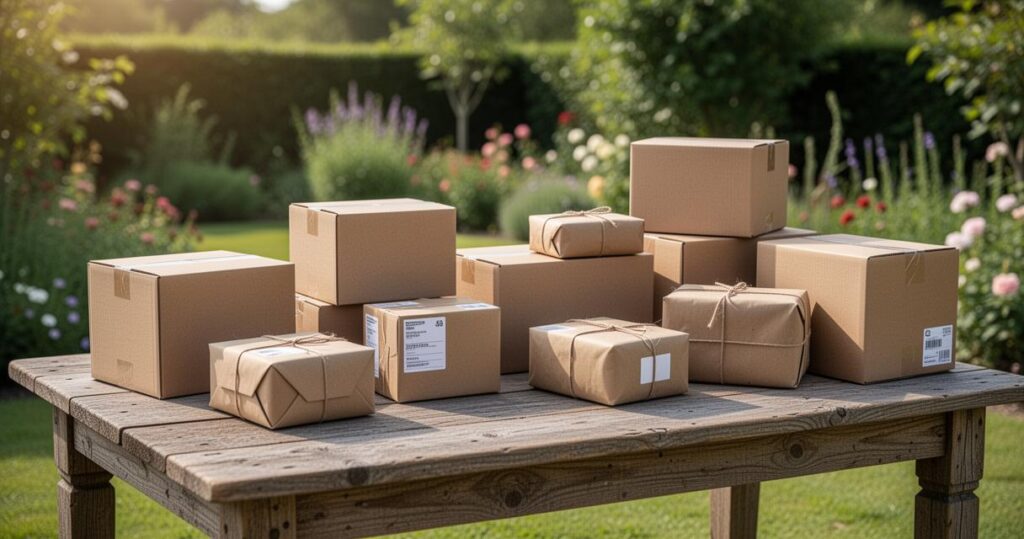
When it comes to transporting fruits, vegetables, and other fresh produce, the choice of outer packaging plays a decisive role. Cardboard remains one of the most popular and eco-friendly packaging options available, particularly because it is both renewable and widely recyclable. Using recycled paperboard in the production of boxes and containers helps decrease deforestation and significantly lowers the carbon footprint associated with manufacturing. For businesses managing high volumes of fresh goods, this shift in materials can make a meaningful difference to their overall environmental impact.
The Benefits of Recyclable Corrugated Board for Fruits and Vegetables
Corrugated cardboard boxes are a staple of the food transport industry, and for good reason. Their layered structure provides excellent protection during transit, reducing the risk of damage to delicate produce such as soft fruits and leafy vegetables. Beyond their structural qualities, custom corrugated boxes made from renewable materials are fully recyclable and can help lower freight costs by optimising the weight-to-volume ratio of each shipment. This makes them a sensible choice for businesses looking to combine shipping efficiency with packaging sustainability. Furthermore, minimalist design and right-sizing (tailoring the box dimensions precisely to the product) can further enhance the sustainability credentials of each parcel.
Optimising express mail shipments with lightweight pallets
For larger consignments sent via express mail or priority shipments, pallets are an essential component of the supply chain. Traditional wooden pallets, while durable, carry a significant weight that inflates shipping costs and carbon emissions. Lighter alternatives made from natural fiber materials or recycled content are increasingly available and offer a compelling case for businesses seeking carbon footprint reduction. Lightweight pallets not only reduce shipping fees by lowering overall package weight and volume, but they also align with the broader principles of a circular economy, where materials are designed to be reused, repurposed, or composted at the end of their useful life.
Eco-friendly temperature control for cold chain food transport
Maintaining the correct temperature throughout a cold chain shipment is non-negotiable when transporting perishable goods. Yet the materials traditionally used for thermal protection (particularly expanded polystyrene and single-use plastic) are among the most environmentally damaging in the packaging industry. Conventional packaging has contributed enormously to plastic waste, which can take centuries to decompose in landfill. Fortunately, a growing range of biodegradable alternatives now exists that can keep chilled cargo at the right temperature without leaving a lasting environmental legacy.
Biodegradable gel packs for maintaining chilled cargo
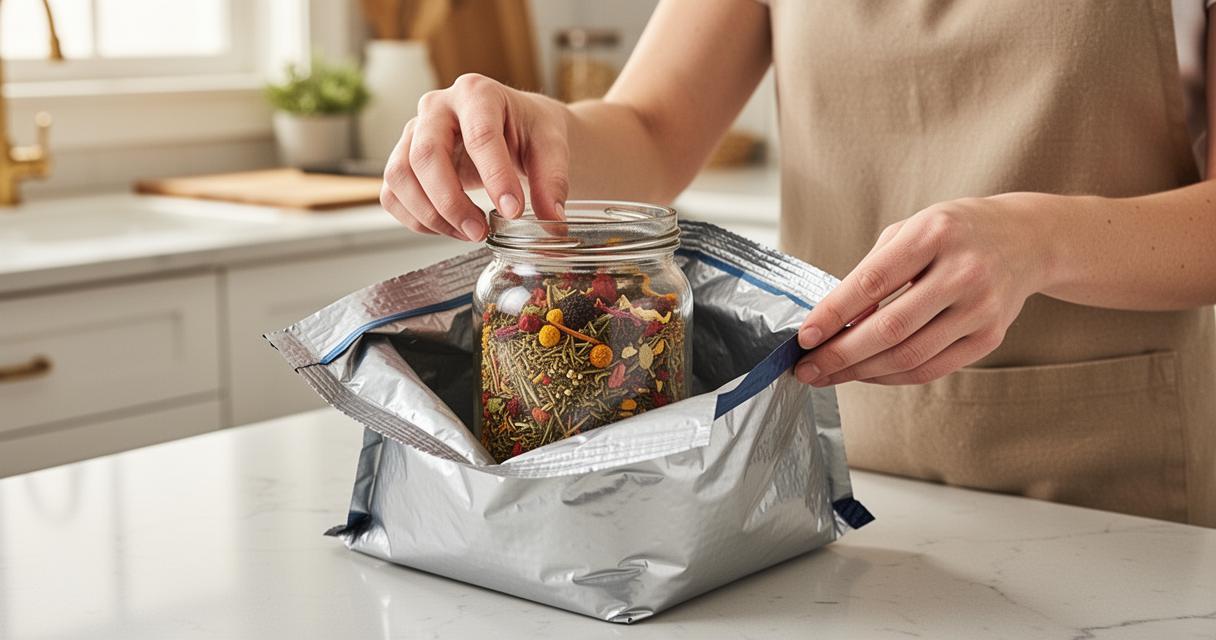
Gel packs are indispensable for keeping perishable food items cool during transport, but not all gel packs are created equal. Biodegradable gel packs represent a significant improvement over their conventional counterparts, breaking down naturally rather than persisting in the environment for generations. These packs are suitable for a wide range of chilled goods and can be paired with other green packaging solutions to create a fully sustainable cold chain. When selecting gel packs, it is worth considering their compatibility with the specific temperature requirements of the goods being transported, as well as the overall duration of the shipment.

Thermal insulation alternatives to traditional plastic packaging
Beyond gel packs, the insulating layer itself deserves careful attention. Several innovative biodegradable materials are now available as direct replacements for polystyrene foam. Mushroom-based packaging, for instance, is completely biodegradable and uses agricultural waste as its primary raw material. Natural fibre options, including those derived from wool or recycled cotton, provide effective thermal insulation while remaining compostable at the end of their life. Plant-based packaging solutions, including those incorporating sugarcane bagasse or wheat straw, are equally promising. These materials are designed to be biodegradable, compostable, and recyclable, reducing environmental impact at every stage of the supply chain.
Matching Different Types of Suitable Green Packaging to Your Goods
There is no single solution that suits every type of perishable food shipment. The right packaging depends on the nature of the product, its shelf life, the storage conditions required, and the distance it must travel. Understanding the different types of suitable green packaging available is therefore essential for anyone involved in food logistics, whether they are shipping a small parcel of artisan cheeses or a large consignment of fresh produce destined for a retail outlet.
Choosing compostable parcel options for perishable shipments
For many perishable shipments, compostable packaging offers an attractive middle ground between performance and environmental responsibility. Compostable bioplastics, made from renewable sources such as cornstarch and sugarcane, can break down in a matter of months under the right conditions, leaving behind no harmful residues. Kraft paper, which is fully recyclable and biodegradable, is particularly well suited to dry goods and snacks, whilst plant-based coatings provide effective moisture barriers for oilier foods without resorting to synthetic plastics. Multi-walled paper bags are another strong contender for bulk items and heavier loads, offering genuine strength and biodegradability without any reliance on plastic.
- Compostable bioplastics for fresh produce and temperature-sensitive items
- Kraft paper parcels for dry or shelf-stable perishables
- Multi-walled paper bags for bulk shipments requiring robust protection
- Paper void fill made from recycled content to cushion items and prevent shifting
Selecting the right material ultimately depends on a careful assessment of product requirements, shelf life, storage conditions, budget, and local regulations. It is worth testing several eco-friendly packaging options before committing to a particular solution at scale.

Reusable containers for modern sustainable food logistics
Reusable containers represent perhaps the most ambitious step towards truly sustainable packaging in the food transport sector. Rather than disposing of packaging after a single use, reusable containers are designed to complete multiple journeys before requiring replacement. This approach embodies the principles of waste management and the circular economy, extending the useful life of materials and dramatically reducing the volume of waste generated. Adopting circular economy practices, such as formalised return and recycling programmes, can reduce waste and extend material lifespan considerably. Whilst the initial investment in reusable containers may be higher than for single-use alternatives, the long-term savings (both financial and environmental) can be substantial. As more businesses recognise that plastic waste reduction and commercial competitiveness are not mutually exclusive, reusable systems are likely to become an increasingly important part of the food logistics landscape.